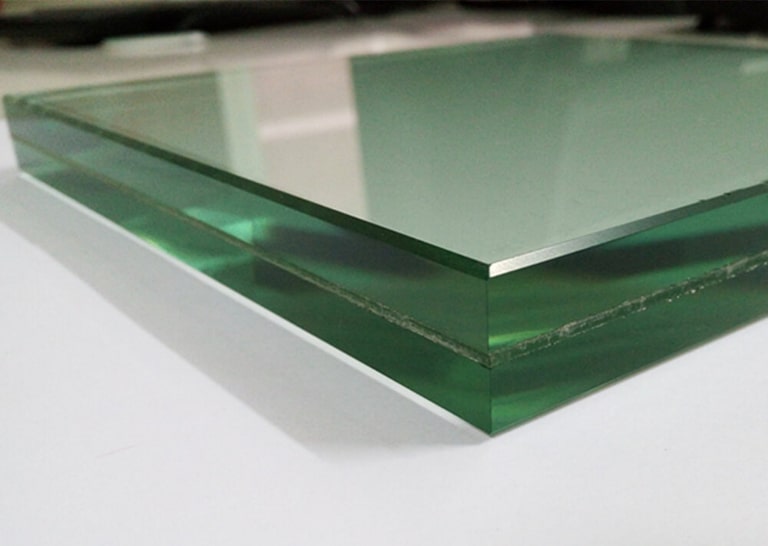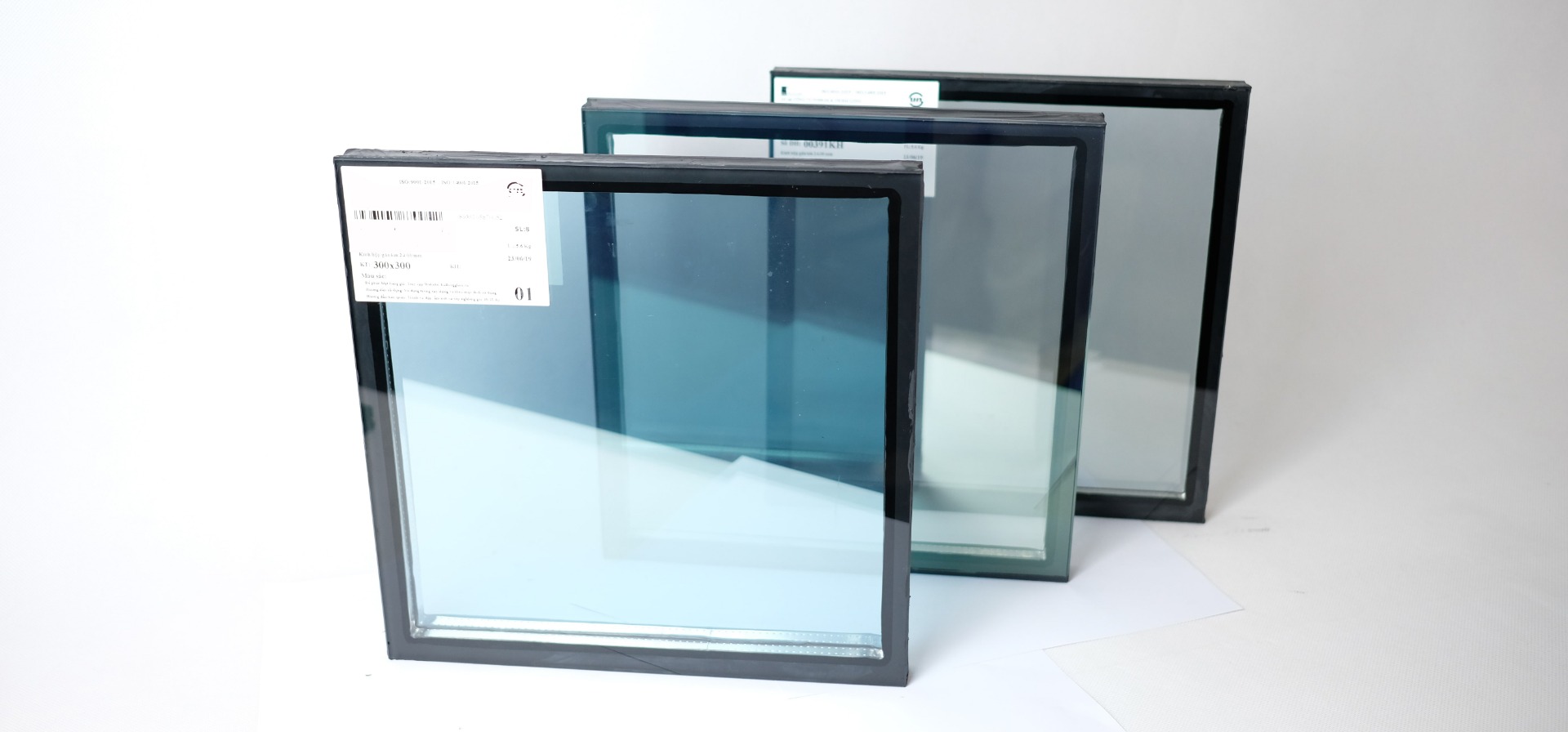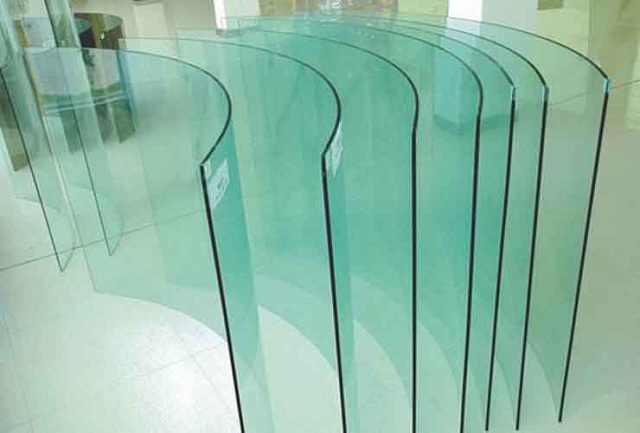
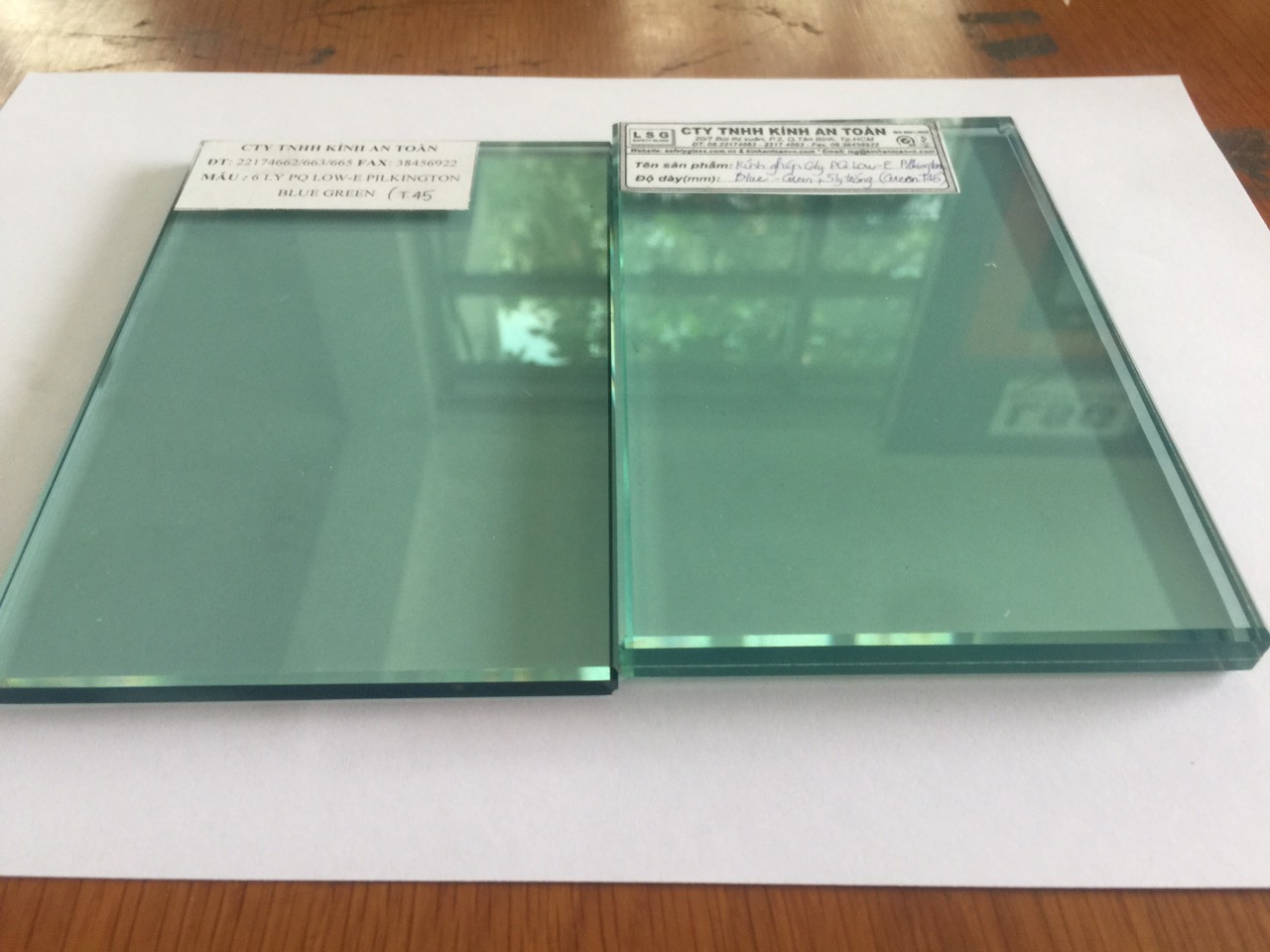
Low-E Glass (Low Emissivity) is glass coated with a microscopically thin metal layer. This coating allows natural light to pass through but reflects a large portion of thermal radiation, significantly saving energy.
Working Principle
The Low-E coating is made of metal oxides (usually Silver-Ag) with nanometer thickness. Its properties include:
- Allowing 80-90% of visible light transmission
- Reflecting 90-95% of infrared radiation (heat)
- Blocking most harmful UV rays
Types of Low-E Glass
Hard Coat Low-E: Coated directly onto hot glass during production. Durable, can be handled singly but has lower performance.
Soft Coat Low-E: Coated in a vacuum chamber. Higher performance but must be used in Insulated Glass Units (IGU) to protect the coating.
Saving Efficiency
- U-Value (W/m²K): Reduced by 65-72% compared to normal glass
- SHGC: Reduced by 50-70%
- Air conditioning costs: Saved by 40-50%
Common Applications
- Facades for offices and commercial buildings
- Windows for villas and luxury apartments
- Car showrooms and luxury stores
- Hotels and resorts