What is Tempered Glass? Superior Advantages and Applications in Modern Construction
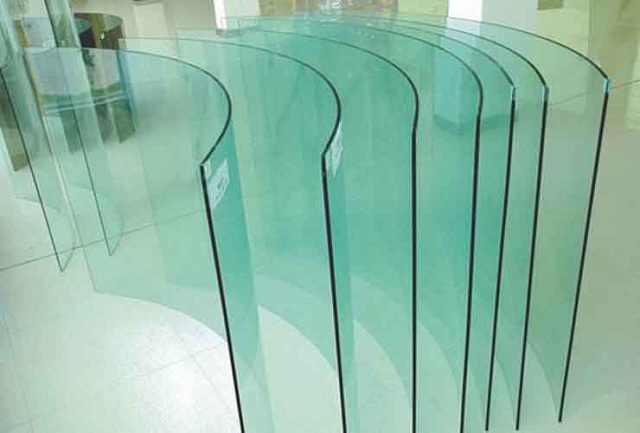
Tempered glass is a type of safety glass processed by controlled thermal treatments to increase its strength compared with normal glass. It is about 4-5 times stronger than annealed glass of the same thickness and is one of the most popular types of glass used in modern construction projects in Vietnam and worldwide.
Manufacturing Process
Tempered glass is made by heating annealed glass to about 620-680°C and then rapidly cooling it with forced air drafts on both surfaces. This process creates surface compression and internal tension, significantly increasing the glass's strength.
Important Note
Tempered glass cannot be cut, drilled, or machined after tempering. All cutting, grinding, and hole-drilling must be done before the tempering process.
Advantages of Tempered Glass
- High Durability: Withstands impact 4-5 times better than normal glass.
- Heat Resistance: Resists thermal shock up to 250°C.
- Safety: When broken, it crumbles into small granular chunks instead of jagged shards, minimizing injury risk.
- Versatility: Suitable for various residential and commercial applications.
- Aesthetics: Offers a modern, transparent, and glossy appearance.
What is Laminated Safety Glass?
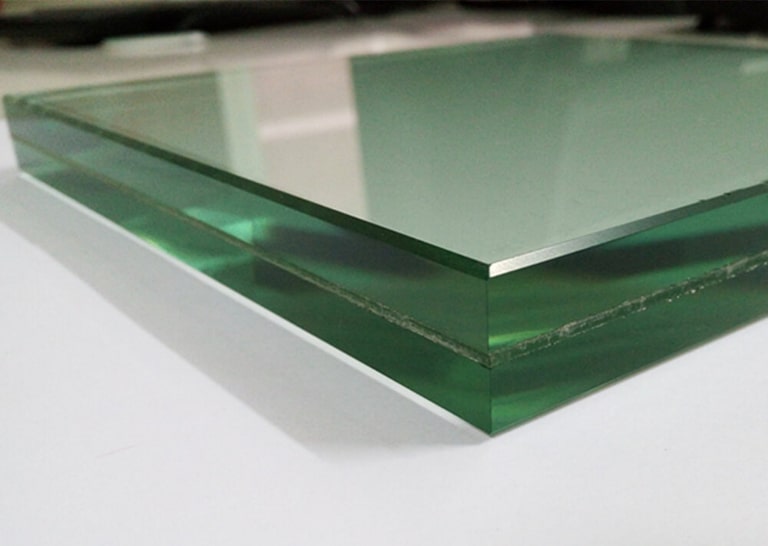
Laminated safety glass consists of two or more layers of glass bonded together with an interlayer, usually of Polyvinyl Butyral (PVB). This interlayer keeps the layers of glass bonded even when broken, and its high strength prevents the glass from breaking up into large sharp pieces.
Which One Should You Choose?
The choice depends on the specific requirements of your project:
- Tempered Glass: Best for areas requiring high strength and heat resistance, such as shower doors, glass tables, and partitions. It is generally more cost-effective.
- Laminated Glass: Ideal for security and sound insulation, such as skylights, windshields, and areas requiring UV protection. It stays intact when shattered, offering superior safety for overhead glazing.